Recognise the Shape of a Tune
A melody is a line of pitches moving through time. Before you can name any of those pitches, you can hear where the line goes — and that is the skill this page helps you strengthen.
Contour comes first
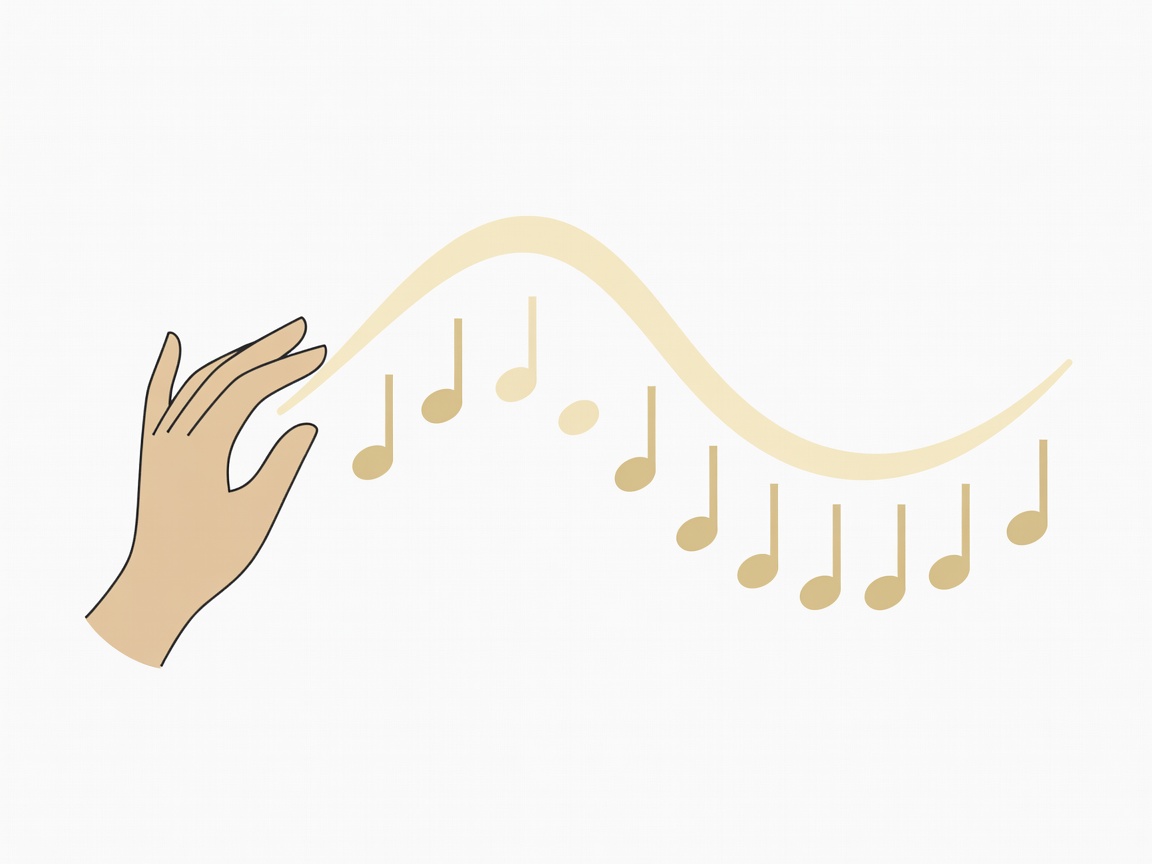
Contour is the up-and-down outline of a melody. Researchers in music psychology have long observed that listeners, including young children, recognise and remember tunes largely by their contour rather than by exact pitches. That is good news: you do not need perfect pitch, a piano or any notation to begin.
There are only three basic moves. A melody can go up, go down or stay on the same note. Take the opening of "Twinkle, Twinkle, Little Star". It repeats one note, jumps up, repeats again, rises one small step and then comes back down. If you sing it slowly and move your hand with it, you will feel that pattern in your arm.
Steps and leaps
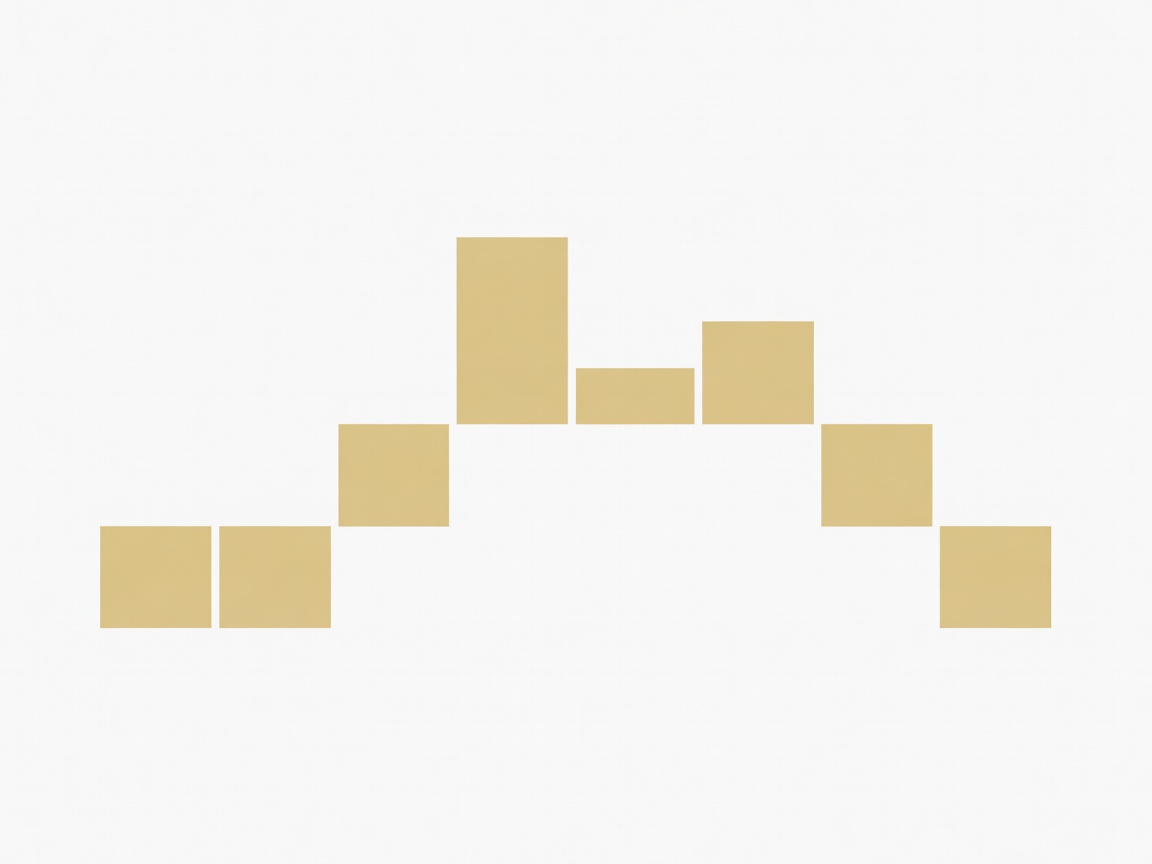
Once up, down and same feel comfortable, notice how far a melody moves. A step goes to the next-door note; a leap skips over notes. The main theme of the last movement of Beethoven's Ninth Symphony, often called "Ode to Joy", moves almost entirely by step, which is part of why so many people can sing it after one hearing. Many folk tunes and national anthems mix steps with one or two dramatic leaps that act like landmarks.
You do not need to measure the leap exactly yet. "Small jump" and "big jump" are perfectly good descriptions. Exact distances belong to our Note Distances page.
Ordered listening prompts
Choose a short tune you half know — a lullaby, a hymn, a television theme. Play or sing only its first phrase, at a comfortable volume.
- Hum the very first note and hold it for a breath. This is your starting point.
- Listen to the phrase again and notice where the highest note falls: near the start, the middle or the end?
- Trace the phrase with your hand while it plays. Do not correct yourself; just move.
- Sketch it on paper with dashes: higher dashes for higher notes, the same height for repeats.
- Listen a final time and compare your sketch. Change only one thing, if anything.
Volume reminder: keep recordings at conversation level. Quiet, repeated listening reveals contour better than loud listening does.
Finding the home note
Most melodies in Western popular and classical music feel as though they have a "home" note where they can come to rest. Musicians call it the tonic, and in sol-fa singing it is sung as do. The nineteenth-century English teacher John Curwen popularised hand signs for these syllables, and the Hungarian composer Zoltán Kodály later built a whole teaching approach around them.
To hear the tonic, stop a tune just before its last note. The unfinished feeling you notice is your ear pulling towards home. Hum the note you expect next — that is usually the tonic.
Phrases, repetition and form
Tunes are built from phrases, much like sentences. A common pattern is a "question" phrase that seems to hang in the air, followed by an "answer" phrase that settles. Songs such as "Over the Rainbow" from The Wizard of Oz use an AABA plan: a main idea, the same idea again, a contrasting middle, then the first idea once more. Noticing repetition is a powerful shortcut: once you know phrase A, you have already learned three quarters of that song.
When a tune slips away
Some melodies will not stick at first. That is normal, especially with music built on unfamiliar scales — a Javanese gamelan piece tuned in sléndro, or a North Indian raga with its ornamented glides. If something sounds "out of tune" to you, you are hearing a genuine contrast with the music you grew up with. Shorten the snippet to four or five notes and trace that instead.
Melody exercises to try this week
 Contour
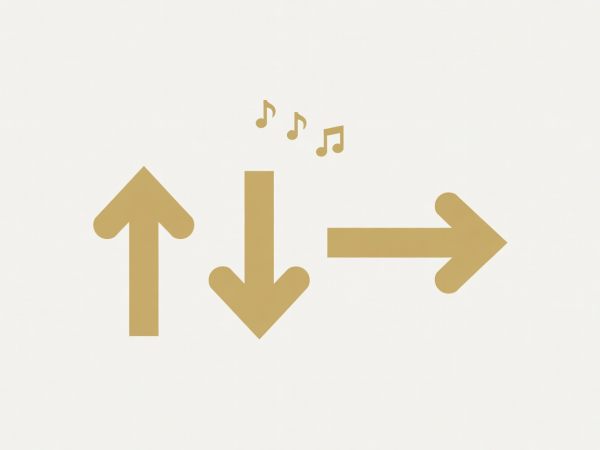
Up, down or same
Listen to pairs of notes and say only which way the second one moves. Five pairs per session.
Ask about this exercise Steps & leaps
Walk or jump?
For each new note in a tune, call it a step or a leap. Mark leaps on your contour sketch.
Measure the leaps Phrase echo
Echo one phrase
Hear a phrase twice, then sing it back. Compare with a third hearing and notice one difference.
Read listening help